
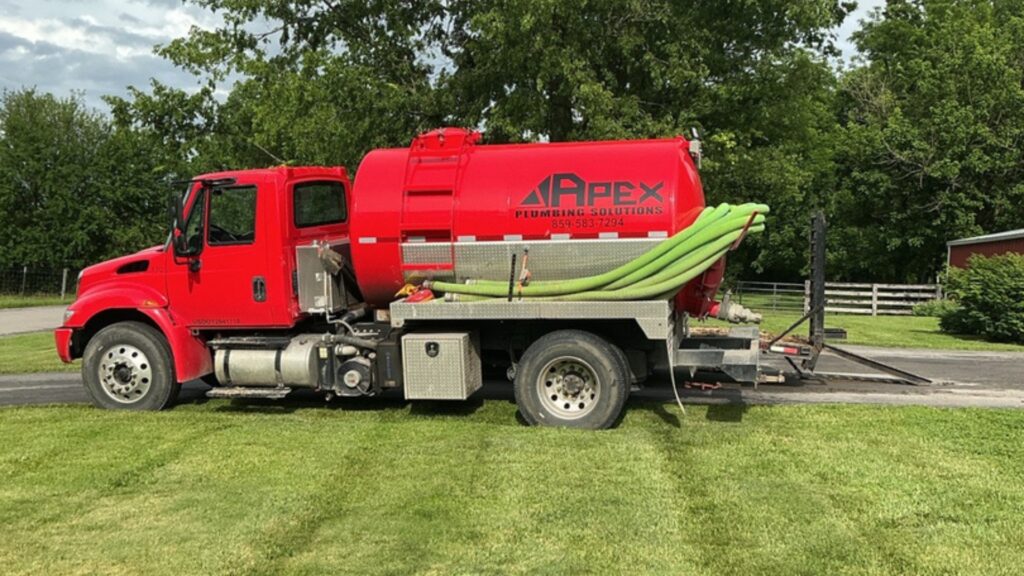
If you’ve ever wondered how often you should pump your septic tank, you’re not alone. Regular septic maintenance helps prevent backups, expensive repairs, and damage to your drain field.
Owning a home with a septic system comes with a little extra maintenance, but staying ahead of it can save you from expensive repairs down the road. One of the most important things you can do is have your septic tank pumped on a regular schedule.
How Often Should You Pump Your Septic Tank?
For most households, a septic tank should be pumped every 3 to 5 years. However, there’s no one-size-fits-all answer. The right schedule depends on several factors, including:
- The size of your septic tank
- The number of people living in your home
- Your daily water usage
- What goes down your drains
A larger family or heavier water usage may mean your tank fills up faster and needs more frequent service.
Warning Signs Your Septic Tank May Be Full
Even if you aren’t sure when your tank was last pumped, there are some common signs that it’s time to have it checked:
- Slow draining sinks, tubs, or showers
- Toilets that flush slower than normal
- Sewage odors near your drains or outside around the tank
- Wet or unusually green patches in your yard above the drain field
- Gurgling sounds coming from your plumbing
If you notice any of these issues, don’t ignore them. Waiting too long can lead to backups inside your home or damage to your septic system.
What Should Never Go Down the Drain?
Your septic system relies on naturally occurring bacteria to break down waste. Certain items can interfere with that process or create clogs.
Avoid flushing or washing down:
- “Flushable” wipes
- Grease and cooking oils
- Paper towels
- Feminine hygiene products
- Diapers
- Cat litter
- Harsh chemicals or excessive bleach
Keeping these items out of your septic system can help extend its life and reduce the need for repairs.
Why Routine Pumping Matters
Routine septic pumping removes the solid waste that builds up over time. If the tank becomes too full, those solids can enter the drain field, where they may cause permanent damage.
A routine service appointment can also help identify small issues before they become major problems.
What Happens During a Septic Tank Pumping?
Most septic pumping appointments are quick and straightforward. A technician will locate and uncover your septic tank, remove the accumulated waste, and inspect the tank for visible signs of damage or wear. If any concerns are found, they’ll let you know before they turn into larger, more expensive repairs.
Regular pumping not only keeps your system working properly, but it also gives you an opportunity to catch potential issues early.
Need Your Septic Tank Pumped?
If you’re still wondering how often you should pump your septic tank, the answer for most homes is every 3 to 5 years. If it’s been several years since your last pumping, now is a great time to schedule service.
Whether you need routine septic pumping or have questions about your system, the team at Apex Solutions is here to help. Contact us today to schedule your septic service and keep your system running the way it should.
Can I use flushable wipes with a septic system?
How long does septic pumping take?
What happens if I don’t pump my septic tank?
How often should a septic tank be pumped?
Does heavy rain affect my septic system?
Learn more about septic system maintenance from the U.S. Environmental Protection Agency.