
The Ultimate Winter Storm Home Prep Guide
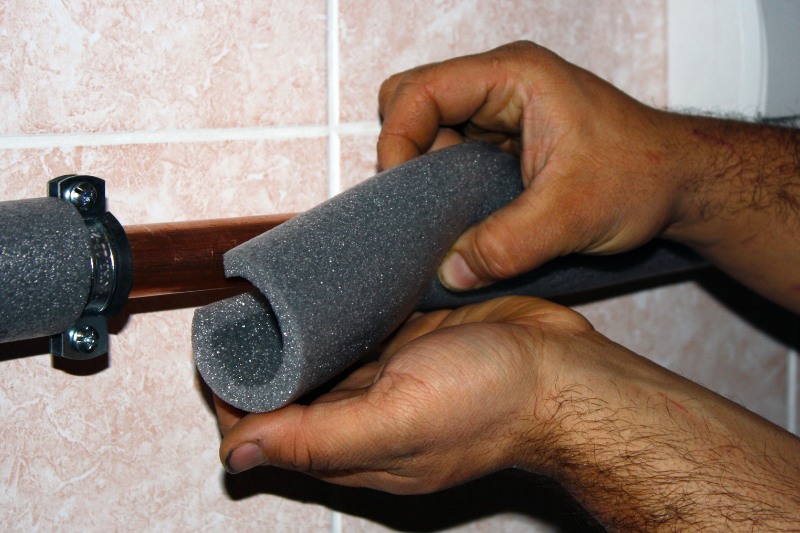
Table of Contents
Kentucky is unique in that we don’t experience constant winter storms or storms in general. However, when we do, it tends to scare some residents. Snow, ice, and freezing temperatures bring a unique set of challenges that can range from a minor inconvenience to a major one.
We’ve created a list to help you prepare for the next winter storm so you don’t end up on our emergency call boards. Our technicians are available 24/7, but availability runs low during winter storms.
Before The Storm
It’s important to prepare for a winter storm by figuring out what the weather is calling for. Don’t panic buy, but make sure you have essentials.
- Flashlights
- Batteries
- Space heaters
- Food
In an emergency, every minute matters. Make sure everyone in the home knows where the shutoffs are.
Plumbing Prep-Prevent Frozen Pipes and Flooding
Frozen pipes are our plumbers’ biggest call during extremely low temperatures. Frozen pipes may be frozen in certain areas and liquid in others. This causes pressure buildup in your pipes, often leading to burst pipes and water damage.
We see frozen pipes in areas where your pipe may be near an exterior wall. The most common areas are crawl spaces, along exterior walls, and garages.
Plumbing Winter Storm Checklist
Before temperatures drop:
- Disconnect hoses and drain exterior spigots
- Shut off and drain outdoor lines
- Insulate exposed pipes
- Insulate faucets and outdoor spigots
- Open cabinet doors that may have plumbing underneath
- Check your sump pump
When temperatures drop:
- Let faucets drip. Turn the handle just enough for water to slowly drip from the tap. It allows water to move through the pipes and may prevent it from freezing.
- Keep the home heated evenly
- Don’t turn off the heat if you’re leaving town
If pipes freeze:
If you notice your water isn’t working, odd smells, a bulging pipe, or frost buildup on your pipes, it may be frozen. Try to thaw it safely using warm air, a space heater at a safe distance, and warm towels. Don’t use an open flame or heat it too fast. This would be a good time to shut off your water at the main shutoff.
HVAC Preparation
Freezing temperatures can strain your furnace. It’ll work harder to consistently keep up with your thermostat settings.
Before the storm:
- Replace air filters
- Clear the outdoor unit and vents
- Test thermostat
- Check carbon monoxide detectors
Warning signs:
- Burning smells
- Loud rattling
- Uneven heating
- Short cycling
- No heat
If you lose heat, keep doors closed, and use blankets and space heaters to keep the heat in.
If temperatures are dropping extremely low indoors, you may need to leave the area and call our HVAC technicians. Our technicians keep some parts in their vehicles to fix problems on the spot if needed.
A furnace tune-up is great for preventing breakdowns during critical moments like winter storms.
Electrical Preparation
Winter storms involving ice usually bring electrical problems. Sometimes it’s up to your electrical provider, other times it can be a small issue our electricians can fix. You can also check outage updates through your local utility provider to determine who to contact.
Winter storm risks:
- Power surges
- Downed lines
- Overloaded circuits from heaters
- Generator backfeed hazards
Electrical winter storm checklist:
- Keep a battery radio available in case you lose power
- Avoid daisy-chaining cords
- Know which breakers control what
- Unplug sensitive electronics before the storm
If you have a gas generator, make sure you never run it indoors. Keep it at a safe distance and use a transfer switch to keep connections safe.
If you live in an area that experiences frequent energy loss from all types of storms, you may want to consider a whole-home generator. Our electricians are certified to install and service Generac generators.
After The Storm
Once the storm has passed, you want to check for leaks, water pressure, and HVAC performance. This way, you can assess if any immediate action needs to be taken.
Once temperatures start to rise, it’s important to double-check gutters, crawlspaces, basements, and attics for any moisture. As the snow and ice melt, there will be an increase in groundwater, resulting in overworked sump pumps. If your foundation has any cracks, water may seep through.
If you notice any issues with plumbing, heat, or electricity, it’s important that you call Apex Solutions. Issues from a winter storm can cause lasting property damage.
Need Help Preparing Before The Next Winter Storm?
Storms fill up our emergency schedule fast! Getting ahead of it is the easiest way to avoid expensive damage. Our licensed technicians in Lexington, KY, are prepared to help you winterize and prepare for storms. We can inspect your home or system to make sure it’s ready for any weather we may receive. Schedule your inspection online today!