
The Ultimate Summer HVAC Prep Checklist
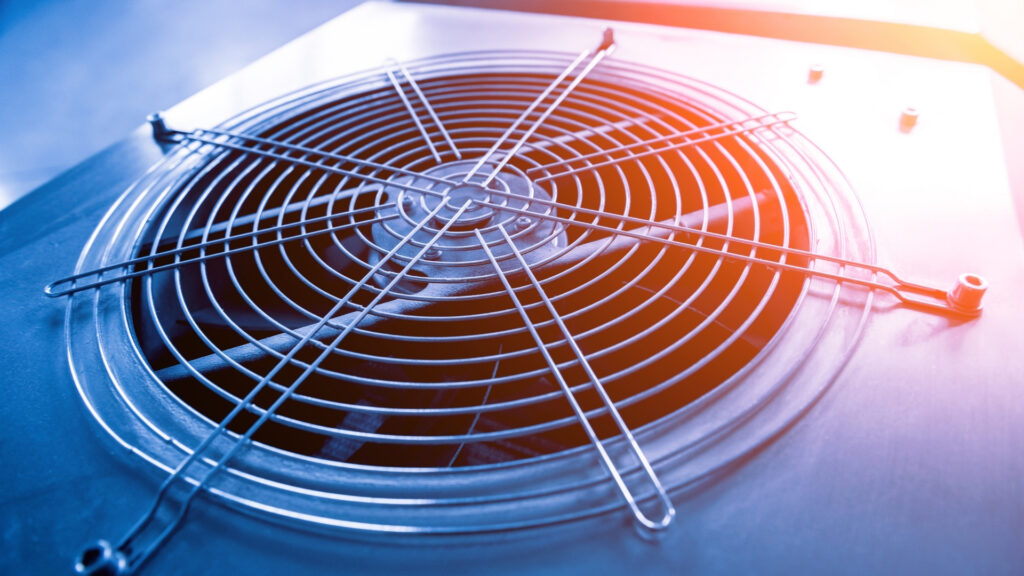
Table of Contents
Summer temperatures in Kentucky can put a lot of strain on your HVAC system. Many homeowners don’t realize there is an issue with their air conditioner until the first major heat wave arrives. A little preparation before summer starts can help prevent breakdowns, improve efficiency, and keep your home comfortable during the hottest months of the year.
Routine HVAC maintenance can also help lower energy bills and extend the lifespan of your system. Taking care of small issues early often prevents more expensive repairs later.
Why should I prepare my HVAC system before summer?
Your air conditioner works harder during the summer than almost any other time of year. Dust buildup, clogged filters, worn parts, and low refrigerant levels can all reduce performance. Preparing your system before temperatures rise helps ensure everything is running properly when you need it most.
Early maintenance can help with:
- Better airflow
- Lower cooling costs
- Improved indoor comfort
- Fewer breakdowns
- Longer system lifespan
Waiting until your system stops working can lead to emergency repairs during the busiest part of the season.
Why is my AC not cooling properly?
Air filters should usually be changed every one to three months, depending on your home and system. Several different issues can cause your air conditioner to struggle during hot weather. Some problems are simple while others require professional repairs.
Common causes include:
- Dirty condenser coils
- Low refrigerant levels
- Clogged air filters
- Thermostat problems
- Blocked vents
- Electrical issues
If your home feels warm even while the AC is running, it may be time for an inspection before the issue gets worse.
Should I clean around my outdoor unit?
Your outdoor condenser unit needs proper airflow to work efficiently. Leaves, grass, weeds, and debris can block airflow and reduce cooling performance.
Homeowners should:
- Remove leaves and debris
- Trim back plants and bushes
- Keep at least two feet of open space around the unit
- Gently rinse dirt from the exterior coils
Keeping the outdoor unit clean can help your system cool more effectively during summer.
What are the signs my HVAC system needs repair?
Many HVAC systems show warning signs before they completely fail. Paying attention to these issues can help prevent bigger problems later.
Signs your system may need repair include:
- Warm air coming from vents
- Strange noises
- Weak airflow
- Frequent cycling
- Unusual odors
- Rising utility bills
Ignoring these warning signs can lead to more serious damage and expensive repairs.
Why is HVAC maintenance important?
Routine maintenance helps your HVAC system operate safely and efficiently throughout the summer. Professional inspections can identify worn components, refrigerant issues, electrical concerns, and airflow problems before they become major repairs.
Maintenance appointments may include:
- Checking refrigerant levels
- Inspecting electrical components
- Cleaning coils
- Testing airflow
- Inspecting drains
- Checking thermostat operation
Regular service can help reduce unexpected breakdowns during extreme summer heat.
When should I schedule HVAC service?
The best time to schedule HVAC maintenance is before temperatures reach their peak. Spring and early summer are ideal because technicians can catch problems before your system is running constantly.
If your system has not been inspected recently, now is a good time to schedule service before demand increases later in the season.
Trusted HVAC Professionals
Our team is ready to help homeowners stay comfortable all summer long. Whether your system needs maintenance, repairs, or a full inspection, we provide professional HVAC services you can count on. If your air conditioner is struggling to keep up with the heat, schedule online or call us today.
How often should I change my HVAC air filter?
Most homeowners should change their HVAC air filter every one to three months, depending on the home, pets, and overall air quality.
What are the first signs my AC may need repair?
Common warning signs include weak airflow, warm air coming from vents, unusual noises, frequent cycling, and higher energy bills.