
DIY vs. Professional: 5 Signs You Need an Expert
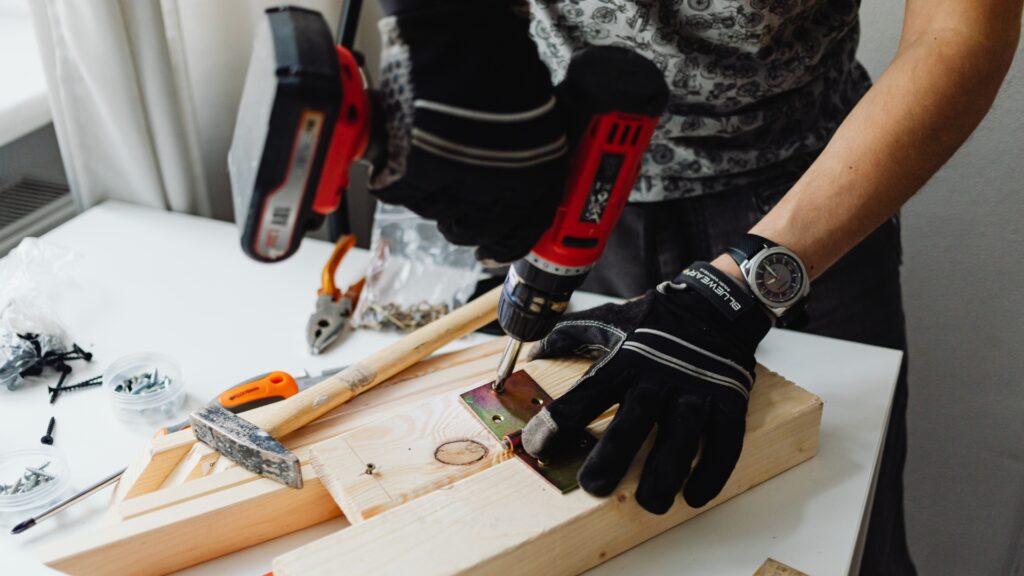
When it comes to DIY vs. professional home repairs, there’s a certain satisfaction in fixing something yourself. A dripping faucet tightened up, a light fixture swapped out, a wobbly deck board replaced: these are wins worth having. But for plumbing, HVAC, electrical, and construction work, the line between “a fun weekend project” and “a very expensive mistake” is thinner than most homeowners realize.
Here’s how to make the DIY vs. professional call with confidence, plus 5 clear signs it’s time to bring in a licensed pro.
Table of Contents
- Good DIY Projects for Homeowners
- DIY vs. Professional: 5 Signs You Need a Licensed Pro
- The Real Cost of a DIY Repair Gone Wrong
- DIY vs. Professional: How to Decide
- When in Doubt, Ask First
Good DIY Projects for Homeowners
Not every repair needs to become a DIY vs. professional debate. Some tasks are low-risk, well-documented, and forgiving of small mistakes. If it fits these categories, you can usually handle it yourself:
- Cosmetic or surface-level fixes: caulking around a tub, replacing a cabinet handle, patching small drywall dings
- Simple replacements with no wiring or plumbing behind them: swapping a faucet aerator, replacing an air filter, changing light bulbs or a switch cover plate
- Preventive maintenance: cleaning gutters, changing HVAC filters monthly, flushing a water heater (if you’re comfortable with the shutoff valves)
- Basic troubleshooting: resetting a tripped GFCI outlet, checking that a thermostat has fresh batteries, clearing a slow drain with a plunger or a zip-it tool
The common thread: if you get it wrong, the worst outcome is redoing the task, not a safety hazard or a bigger repair bill.
DIY vs. Professional: 5 Signs You Need a Licensed Pro
The stakes go up fast once you’re dealing with anything connected to your home’s core systems. Here are the 5 clearest signs your project has moved from DIY into professional territory:
1. Electrical work beyond the basics. Anything past a light switch or outlet cover, including new circuits, panel work, ceiling fans, and outdoor wiring, carries real fire and shock risk. This is one of the clearest cases for calling a licensed electrician instead of DIYing it. The OSHA guidelines on electrical safety lay out exactly why untrained work on live circuits is treated as a serious hazard. A mistake here doesn’t always show up right away; it can smolder behind a wall for months.
2. Gas lines or gas appliances. Water heaters, furnaces, and stoves that run on gas are not a DIY category, full stop. A bad connection can mean a gas leak, and that’s not a risk worth taking to save a service call.
3. Anything requiring a permit. If your city or county requires a permit for the work (most electrical panel upgrades, structural changes, and many plumbing rerouting jobs do), that’s a signal the work needs to be inspected and done to code. Skipping this step can cause problems when you go to sell your home, or with your insurance if something goes wrong later.
4. Structural or load-bearing changes. Removing a wall, adding a room, or altering your foundation affects the whole house. Get this wrong and you’re not just looking at a repair, you’re looking at a safety issue for everyone living there.
5. HVAC system replacement or refrigerant work. Modern HVAC systems are precisely engineered, and refrigerant handling is federally regulated under EPA Section 608 for good reason. Beyond the legal issue, an incorrectly sized or installed system will run inefficiently for years, costing you the “savings” many times over.
One honorable mention: anything where you’re not 100% sure what you’re looking at. If you open up a wall or a panel and see something you don’t recognize, that’s the moment to stop, not push forward. Old knob-and-tube wiring, corroded pipe fittings, or unexpected asbestos-era materials are all things we run into regularly, and all things worth a second, trained set of eyes.
The Real Cost of a DIY Repair Gone Wrong
The appeal of DIY is usually the upfront savings. But the math on DIY vs. professional changes when you factor in:
- Rework costs. A botched repair often costs more to undo and redo correctly than if a pro had done it right the first time.
- Voided warranties. Many manufacturer warranties on water heaters, HVAC units, and electrical panels require professional installation to stay valid.
- Insurance complications. If unpermitted or non-code work contributes to a fire, flood, or other damage, your homeowner’s insurance may deny the claim.
- Safety. This is the one that doesn’t have a dollar figure. Electrical and gas work in particular can put your household at real risk.
DIY vs. Professional: How to Decide
Before starting any project, ask yourself:
- Could this hurt someone if it fails? (Electrical, gas, structural: call a pro)
- Does it require a permit? (If yes: call a pro)
- Do I have the right tools and a clear, reliable set of instructions? (If no: at least get a consultation)
- What’s the cost of being wrong? (If it’s more than the cost of hiring someone: hire someone)
If you answer honestly and you’re still unsure, that uncertainty is itself the answer. A quick call to a licensed contractor for an assessment is almost always cheaper than fixing a DIY project gone sideways.
When in Doubt, Ask First
You don’t have to already be mid-project to call us. If you’re staring down a repair and can’t tell which side of the DIY vs. professional line it falls on, a quick conversation can save you time, money, and a potential safety risk. Our team handles plumbing, HVAC, electrical, and construction work across Kentucky, and we’re always happy to tell you honestly whether it’s a job you can tackle yourself or one worth bringing us in for.