
2026 Guide to Water Heaters
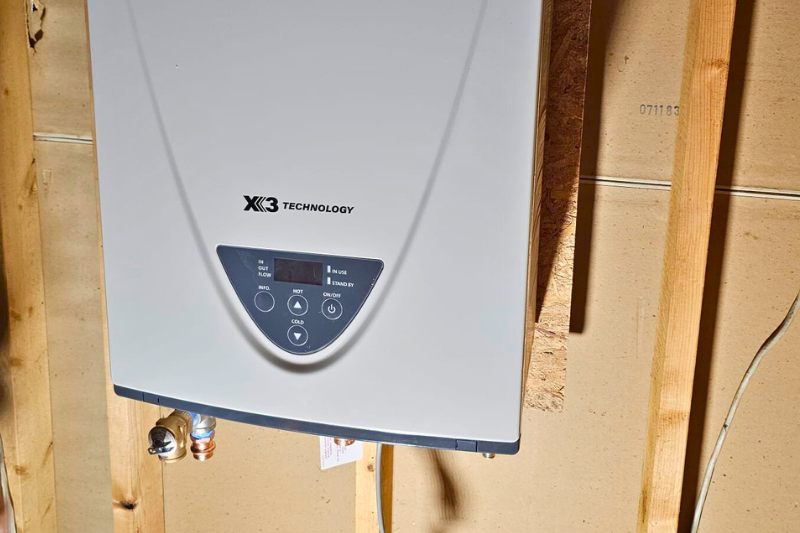
Table of Contents
Choosing the right water heater in Lexington, KY, for 2026 is extremely important. With rising energy costs, new regulations, and technology, homeowners now have more options and decisions to make.
This guide breaks down everything you need to know about modern water heaters, including types, costs, efficiency, lifespan, and how to choose the best system for your home.
Why Water Heaters Matter
According to the U.S. Department of Energy, hot water systems account for 18% of your home’s energy use. In 2026, homeowners are prioritizing:
- Energy efficiency
- Long-term cost savings
- Reliable hot water supply
- Environmentally friendly options
New regulations and advancements have made today’s hot water systems more efficient, smarter than before, but also slightly more complicated.
Types of Water Heaters in 2026
Traditional Tank Water Heaters
Best for: Budget-conscious homeowners and smaller households
Tank hot water systems heat a set amount of water (typically 30-80 gallons). They remain one of the most common options due to lower upfront costs.
Pros
- Lower installation cost
- Simple technology
- Easy maintenance
Cons
- Can run out of hot water
- Higher energy use compared to newer systems
Average lifespan: 8-12 years
Tankless Water Heaters
Best for: Homes with high hot water demand
Tankless systems heat water only when needed, providing continuous hot water without storing tanks.
Pros
- Endless hot water
- Higher energy efficiency
- Longer lifespan
Cons
- High upfront cost
- May require electrical or gas upgrades
Average lifespan: 15-20 years
Heat Pump Water Heaters
Best for: Energy-conscious homeowners
Heat pump hot water systems use electricity to move heat from the air into the water, rather than generating heat directly.
Pros
- Extremely energy efficient
- Lower monthly utility bills
- Eligible for rebates and tax incentives
Cons
- Higher initial cost
- Requires adequate space and airflow
Average Lifespan: 10-15 years
Solar Water Heaters
Best for: Eco-friendly homes with strong sun exposure
Solar hot water systems use roof-mounted collectors to heat water using the sun’s energy.
Pros
- Very low operating costs
- Environmentally friendly
- Long-term savings
Cons
- High installation costs
- Weather dependent
- Often paired with a backup system
- May require parts update every couple of years
Average Lifespan: 20+ years
Costs
| Type | Average Installed Cost |
|---|---|
| Tank | $1,000 – $2,500 |
| Tankless | $2,500 – $5,500 |
| Heat Pump | $3,000 – $6,000 |
| Solar | $5,000 – $10,000+ |
How to Choose the Right Water Heater
When selecting a water heating unit in 2026, consider:
Household Size
- 1-2 people: Smaller tank or tankless
- 3-4 people: Medium tank or tankless
- 5+ people: Large tank or multiple tankless heaters
Energy Source
- Electric
- Natural gas
- Propane
- Solar
New regulations on gas water heaters may impact replacement in 2026. Commercial gas water heaters will need to use condensing technology to meet new regulations. This adds cost and complexity to new installs.
Budget vs. Long-term savings
Lower upfront costs may mean higher energy bills
Features
New heaters are equipped with features such as voice control and smartphone compatibility. This will enable hot water systems to be integrated into your home’s automation system.
Signs It’s Time to Replace Your Hot Water Heater
- Inconsistent hot water
- Rising energy bills
- Rusty or discolored water
- Leak around the unit
- The unit is over 10 years old
Replacing your system before a full breakdown can prevent water damage and Emergency repair costs
Professional Installation Matters
A professional installation ensures:
- Proper Sizing
- Code compliance
- Maximum efficiency
- Manufacturer warranty protection
A licensed plumber can help you choose the best option for your home and ensure it’s installed correctly.
Final Thoughts
Water heater technology in 2026 offers more choices, better efficiency, and smarter performance than ever before. Whether you’re replacing an aging unit or upgrading for efficiency, understanding your options helps you make a confident and cost-effective decision. Call us or schedule an appointment online and have a licensed technician help you with your water systems.